Short answer: to check a business customer's credit in 2026, confirm the legal entity first, then look at how the business pays its lenders as well as its suppliers. Trade references alone can miss stress that shows at the bank first. In Q2 2026, the 60+ day delinquency rate on Canadian business financial credit reached 4.0%, its highest level since 2019, while 60+ day delinquency on supplier (industrial trade) credit fell 24.4% year over year (Equifax Canada, September 14, 2026).
Key takeaways
- Canadian businesses are staying current with suppliers while falling further behind with banks and lenders.
- A customer can show clean trade references and still be under pressure on its loans, credit cards or lines of credit.
- A complete business credit check covers the legal entity, owners and guarantors, bank ratings, trade references, lien registrations, legal actions and insolvency filings.
- Findings don't have to end the relationship. They can shape the terms: a deposit, a lower limit, shorter payment terms or a guarantee.
What the Q2 2026 business credit data shows
Equifax Canada's Q2 2026 Commercial Credit Trends release describes a divide in how Canadian businesses are managing their obligations. Payments to suppliers improved. Payments to banks and lenders got worse.
| Measure (Canada, Q2 2026) | Level | Year over year |
|---|---|---|
| 60+ day delinquency, business financial credit | 4.0% (highest since 2019) | Up 19.7% |
| 60+ day delinquency, industrial trade (supplier) credit | 4.26% | Down 24.4% |
| Average commercial debt per business | $30,581 | Up 7.3% |
| 60+ day delinquency, commercial credit cards | 4.07% | Up 24% |
| Average debt, businesses 12 months old or younger | $48,173 | Up 71.7% |
| Business restructuring proposals (Office of the Superintendent of Bankruptcy) | Part of 1,281 business insolvency filings | Proposals up 30.3%; bankruptcies down 8.1% |
Source: Equifax Canada, Q2 2026 Quarterly Business Credit Trends, September 14, 2026. Ontario had the highest provincial financial-trade delinquency rate at 4.44%, followed by Alberta (3.93%) and Manitoba (3.68%).
Why trade references can look clean while a business is under strain
When cash is tight, a business decides which bills to pay first. Suppliers who keep inventory, materials and services arriving tend to be paid, because without them the business stops operating. A loan payment, a credit card balance or a line of credit can fall behind for longer before anything visible happens.
Equifax Canada's Jeff Brown described it as businesses "prioritizing the payments most essential to keeping the business operating." For a credit manager, landlord or lender, that means a reference from a supplier is now a narrower view than it used to be. It shows how a customer pays one kind of creditor. It doesn't show what the customer owes elsewhere, or how those accounts are going.
The restructuring numbers point the same way. More insolvent businesses are filing proposals to restructure rather than going straight to bankruptcy, so a customer can keep trading while it works through a proposal with its creditors.
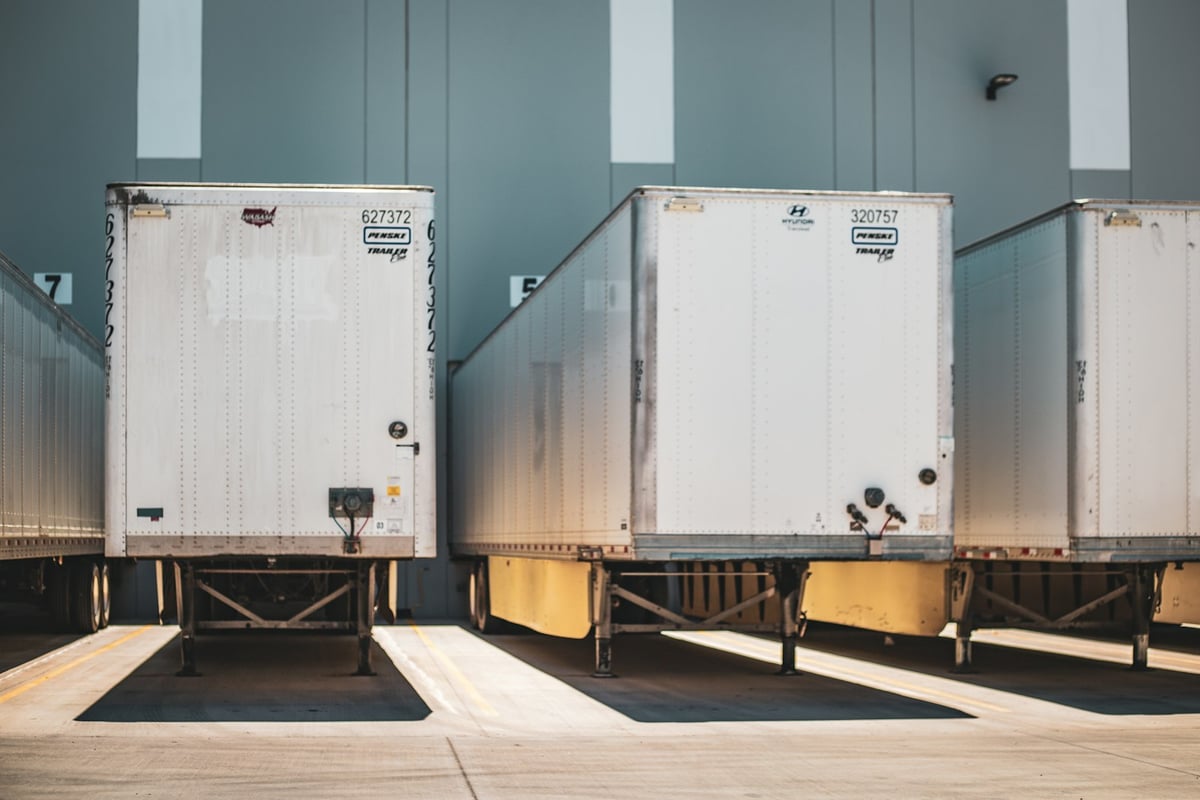
Supplier accounts keep goods moving, so they're often paid first when cash is tight.
How to check a business customer's credit: 7 steps
These steps apply whether you're opening a new account, approving a commercial tenant or taking on a partner. Each one answers a different question, and together they show how the business manages all of its obligations, not just one.
- Confirm the full legal name and status. The name on an invoice or storefront may be a trade name. Search the corporate registry (in Canada, Corporations Canada or the provincial registry; in the U.S., the state's Secretary of State) and make sure your agreement names the entity you've checked.
- Identify the owners, officers and any guarantor. For a new or thinly capitalized business, the people behind it are part of the credit decision. If you'll rely on a personal guarantee, the guarantor needs to be reviewed too, with their consent.
- Get current bank ratings. A bank rating describes how the business manages its accounts and borrowing today. Given the Q2 2026 data, this is the step most likely to show stress that trade references miss.
- Check trade references, but check them properly. Contact suppliers directly, ask for current balances and payment patterns, and make sure the references are comparable in size to the credit you're extending. Three small, hand-picked references don't say much about a large account.
- Search lien and security registrations. Personal property security registrations (PPSA in the common-law provinces, the RDPRM in Quebec, UCC filings in the U.S.) show what the business has already pledged, and to whom. A cluster of recent lender registrations is worth a question. See what a personal property lien search can reveal.
- Review legal actions, judgments, collections and insolvency filings. Court records and collection claims show disputes with other creditors. In Canada, the Office of the Superintendent of Bankruptcy's insolvency records search shows bankruptcies and proposals.
- Set terms that match what you found, and a date to review them. A credit decision isn't only yes or no. A deposit, a lower limit, shorter terms or a guarantee can let the relationship start while payment history builds. Put a review date on the account so the limit doesn't outlive the information behind it.
Signals that deserve a closer look
| What you see | What it can mean | What to ask |
|---|---|---|
| Clean trade references, weaker bank rating | Suppliers are being paid first while lender accounts slip | How are the business's loans and lines of credit performing? |
| Several new security registrations in recent months | New borrowing, refinancing or assets pledged to cover existing debt | What was financed, and what's left unencumbered? |
| A young business with fast-growing debt | Normal start-up borrowing, or obligations growing faster than revenue | Who is behind the business, and is a guarantee appropriate? |
| Judgments or collection claims from other creditors | An isolated dispute, or a pattern of unpaid obligations | Are they resolved, and are they recent? |
| A filed proposal or notice of intention | The business is restructuring its debts under insolvency law | How would new credit be treated, and who is the trustee? |
Trade references vs. a commercial credit report
Trade references are a useful start, and they're inexpensive. A commercial credit report is broader because it's built from registries, institutions and current sources rather than from contacts the customer chose.
| Question | Trade references | Commercial credit report |
|---|---|---|
| How does the business pay its suppliers? | Yes, for the suppliers listed | Yes, with current supplier and landlord ratings |
| How does it manage its bank accounts and borrowing? | No | Yes, through bank ratings |
| Is it the legal entity you're contracting with? | No | Yes, from the corporate profile |
| What has it already pledged? | No | Yes, from security registrations |
| Are there legal actions, judgments or insolvency filings? | No | Yes |
When to re-check an existing customer
A credit file is a snapshot. Given how quickly lender delinquency moved in 2026, it's worth refreshing it when:
- a customer asks for a higher limit or longer terms
- payments start arriving later than usual, even by a few days
- ownership, management or the legal entity changes
- a lease or supply agreement is up for renewal
- the original review is more than a year old
How Quality Credit Reporting can help
Quality Credit Reporting has prepared investigative credit reports for businesses in Canada and the U.S. since 1992. Our Commercial / Individual Reports cover companies and the people behind them: corporate profile, current bank and supplier ratings, security registrations, legal actions, judgments and collections. A specific investigator prepares each report and can walk you through what was found. You can request a sample report to see the format.
Frequently asked questions
How do I check a company's credit in Canada?
Confirm the company's legal name and status in the federal or provincial corporate registry, then review its bank ratings, trade references, personal property security registrations, legal actions and insolvency filings. A commercial credit report from a licensed credit reporting agency brings these sources together in one document.
Are trade references enough to extend credit terms?
Not on their own. Trade references show how a business pays the suppliers it chose to list. In 2026, Canadian businesses have been paying suppliers more reliably while falling behind with lenders, so bank ratings, lien registrations and legal records add information that references can't.
What does a 60+ day delinquency rate mean?
It's the share of balances that are at least 60 days past due. Equifax Canada reported a 4.0% rate on business financial credit products in Q2 2026, the highest since 2019.
Do I need consent to check a business's credit?
Information about a company is generally treated differently from information about an individual. Reports that include personal information about owners or guarantors usually require that person's consent and a permitted purpose under provincial consumer reporting and privacy laws. Your credit application should include the consent you need.
How often should I review a customer's credit?
At least once a year for active accounts, and whenever a customer asks for more credit, pays later than usual, changes ownership or renews a lease or supply agreement.
This article is general information, not legal, accounting or financial advice. Figures are from the sources linked above as published on the dates shown.
Related reading: the importance of a commercial credit application, what to look for in a corporate profile and what a land title sub-search can reveal.

Tags: Business Credit Reports